


Docrates expands its brain diagnostics – amyloid PET to be introduced in October
Docrates is expanding its imaging offering starting in October with amyloid PET imaging, which brings a significant new tool for...
Read moreMon–Fri 8–16
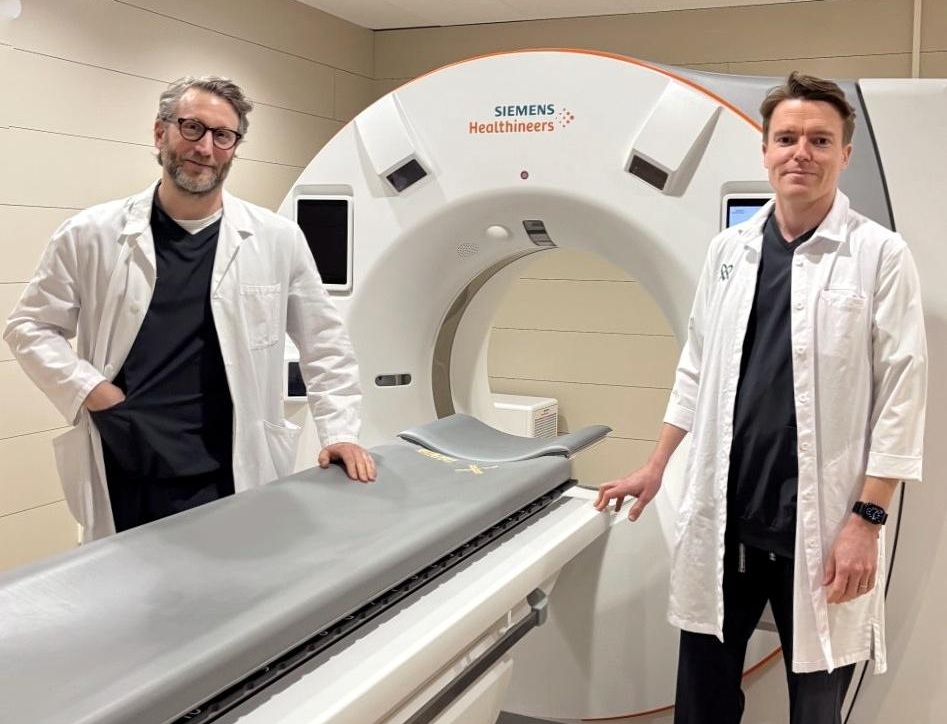
Interventional radiology is a modern field of medicine that combines imaging methods and minimally invasive procedures in cancer diagnostics and treatment.
At Docrates Cancer Center, we utilise advanced ultrasound and computed tomography methods to ensure the precise and safe performance of procedures. We use the latest ablation treatments, sampling methods, and pain management techniques.
Accurate diagnosis is the cornerstone of cancer treatment. An interventional radiologist can take biopsy samples from suspicious changes in various parts of the body with great precision and minimal invasiveness. This means that the procedures are as minimally burdensome as possible for the patient, and recovery is fast.
Imaging-guided biopsies For biopsies, we use ultrasound (US) and computed tomography (CT) guidance, which allows the needle to be guided with millimetre precision to the target. This ensures the quality of the sample and reduces the risk of errors.
Interventional radiology offers effective and targeted options for treating both malignant and benign changes. These treatments are often minimally invasive, meaning smaller wounds, shorter recovery times, and fewer complications compared to traditional surgery.
In ablation treatments, tumor tissue is locally destroyed using various forms of energy. Ablation treatment refers to a medical procedure in which specific tissue is deliberately destroyed or removed to treat a disease. A tumor can be destroyed without surgery, for example, by:
These treatments are often suitable for smaller tumors or situations where surgery is not possible.
Interventional radiology can also effectively and minimally invasively treat various benign changes.
An interventional radiologist can offer effective solutions for alleviating cancer-related pain. Imaging-guided anaesthesia and nerve ablations (neurolysis) can significantly improve the patient’s quality of life.
If you have a cancer diagnosis and are looking for minimally invasive diagnostic or treatment options, interventional radiology may be a suitable solution for you. At Docrates, our specialists will individually assess your situation and plan the best possible treatment path.
At Docrates Cancer Center, interventional radiology services are provided by Nordic Focal Therapies Oy. Risto Kesävuori and Gaber Komar serve as interventional radiologists at Docrates. Our goal is to offer effective treatment options and precise diagnostics for the patient’s benefit.
Further information and booking: 010 773 2000 (Mon-Fri 8-16).
Docrates is expanding its imaging offering starting in October with amyloid PET imaging, which brings a significant new tool for...
Read more
Docrates Cancer Center now also provides interventional radiology services as part of cancer treatment. Interventional radiology offers patients new, minimally...

Docrates Cancer Center will open its first clinic in Sweden. Located in Stockholm, the new clinic will offer Swedish patients...

Reconstructing a removed breast is part of the treatment path of many breast cancer patients. The goal of the surgery...
Contact us!
Mon-Fri 8:00–16:00